
Patent and Design Protection in Agtech: Pioneering Sustainable Solutions for Food Security
Published 16 July 2024
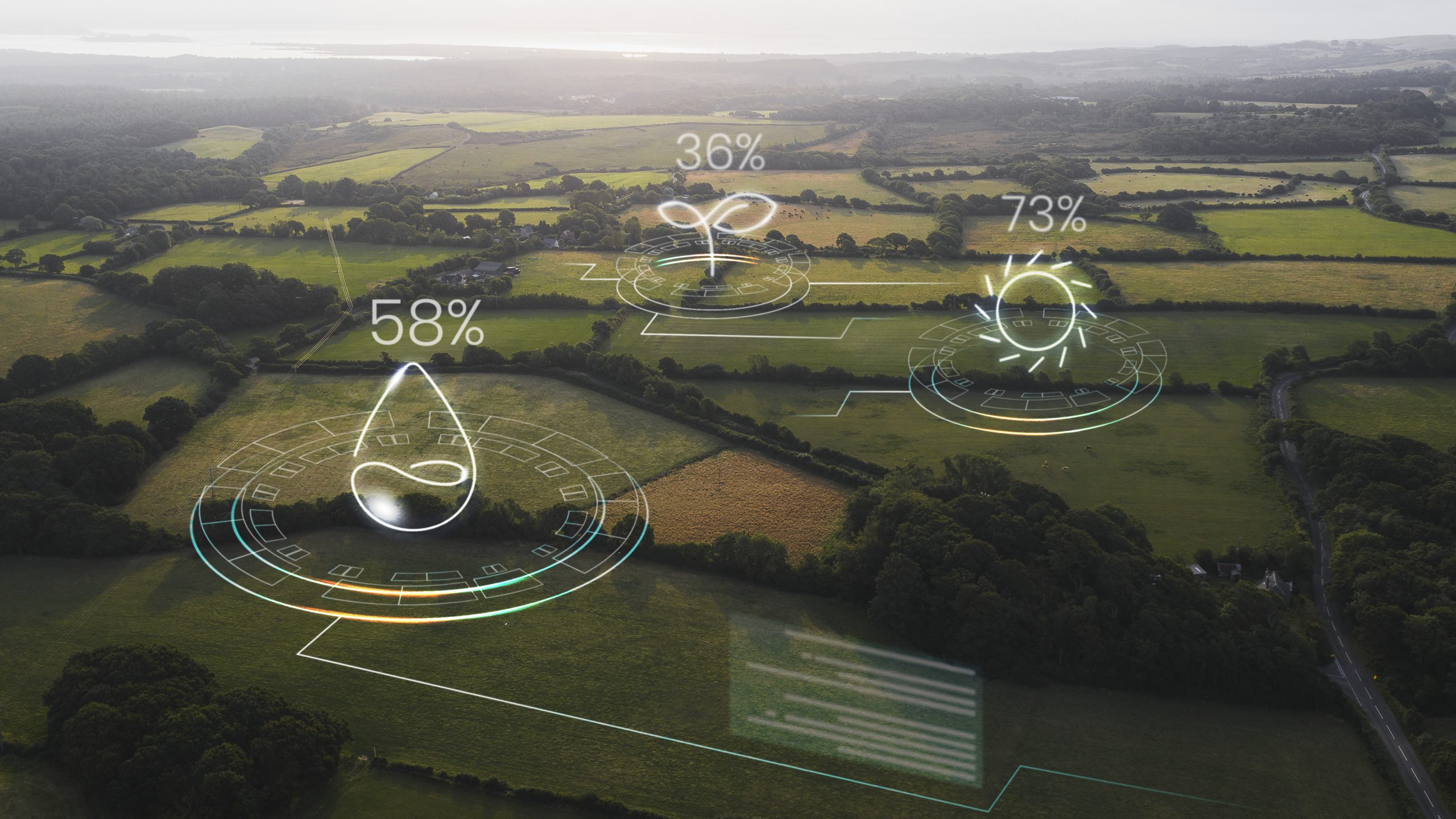
As a patent attorney, I have witnessed the transformative impact of robust intellectual property (IP) protection on innovation, particularly in the rapidly evolving field of agricultural technology (agtech). Growing up in the rich agricultural regions of Bundaberg and Childers in Queensland, I saw firsthand the dedication and resilience of our local farmers. The sprawling fields of sugarcane, the orchards bursting with citrus fruits, and the ever-present hum of agricultural machinery were a constant backdrop to my childhood. These experiences instilled in me a deep appreciation for the hard work and innovation that underpin successful farming. Given the urgent need to address food security, driven by challenges like climate change, water scarcity, and population growth, the role of patents and design protection in fostering agtech advancements cannot be overstated. These legal mechanisms not only incentivize investment in research and development, but also safeguard intellectual property, ensuring that ground breaking technologies can thrive in a competitive market.
The Role of Patents in Agtech
Patents are essential for innovation in agtech. By granting inventors exclusive rights to their inventions for a set period, patents prevent unauthorized use and provide a critical incentive for ongoing investment in research and development. This exclusivity allows inventors to recoup their investments and fund future innovations, propelling the industry forward. In agtech, patents can cover a wide range of innovations, from genetically modified crops to precision farming equipment, smart irrigation systems, and biopesticides. For example, patents on drought-resistant crop varieties can support farmers in arid regions, offering solutions to the challenges posed by increasingly unpredictable weather patterns. Similarly, patented precision farming tools enable optimized resource use, reduced waste, and enhanced productivity, aligning agricultural practices with sustainability goals.
Design Protection: Enhancing Functionality and Aesthetics
While patents focus on technical innovations, design protection safeguards the aesthetic and functional aspects of agtech products. This protection ensures that the unique visual appearance of a product isn’t copied, fostering a competitive market where differentiation through design is rewarded. In agtech, design protection applies to the visual aspects of machinery, tools, and devices. For instance, a uniquely designed drone used for crop monitoring can be protected, ensuring that its distinctive appearance remains the sole property of the innovator. This not only enhances brand value but also encourages continuous improvements in design, making agtech tools more user-friendly and efficient.
Addressing Food Security: Agtech’s Crucial Role
Food security is a complex challenge involving climate change, water scarcity, and population growth. Rising temperatures, changing precipitation patterns, depleting water resources, and the need to feed a growing global population threaten crop yields and food availability. Agtech innovations are pivotal in developing adaptive strategies to mitigate these impacts. Australia, with its unique climate and agricultural landscape, is well-positioned to lead the way in agtech innovation. As the country braces for hotter summers, more frequent droughts, and increasing demands for food, Australian farmers and researchers are at the forefront of developing and implementing technologies that enhance food security.
Australian Agtech: Leading the Charge
Australian agtech companies and research institutions are already pioneering solutions that address the various dimensions of food security head-on. The country’s diverse climatic conditions and extensive agricultural sector provide an ideal environment for testing and refining new technologies. The Commonwealth Scientific and Industrial Research Organisation (CSIRO) has been instrumental in developing climate-adaptive crops and sustainable farming practices. Innovations such as salt-tolerant wheat varieties and precision agriculture tools are helping Australian farmers maintain productivity despite adverse conditions. Additionally, startups focusing on agri-biotechnology, water management systems, and renewable energy integration in farming are gaining traction, further solidifying Australia’s position as a global leader in agtech.
The Future of Agtech
Australian innovators are well placed to lead the way in the field of agtech, driving sustainable growth and food security globally with our rich history of farming and innovations. As international cooperation accelerates the development and deployment of agtech solutions, Australian innovators should be at the forefront, shaping the future of sustainable food production and contributing to global food security.
Australian innovators need to stake their place at the table when it comes to leading international innovation in agtech and make sure their inventions are protected. Patents can be daunting, but it’s even scarier if someone steals your invention. By leveraging patent protection, innovators can safeguard their intellectual property and ensure that their groundbreaking technologies are recognized and rewarded. This is crucial in the agtech sector, where innovations like AI-driven climate-smart agriculture have the potential to enhance various stages of agricultural processes.

Conclusion
As a patent attorney, I firmly believe that patent and design protection are fundamental to driving innovation in agtech. These legal mechanisms enable the development of technologies that can help mitigate the impacts of climate change, water scarcity, and population growth. As Australia faces increasingly severe weather conditions and greater demands on its agricultural sector, its farmers and researchers are uniquely positioned to lead the way in creating sustainable agricultural practices. By fostering a supportive environment for innovation and ensuring robust intellectual property protection, the agtech sector can continue to thrive and provide the tools needed to secure a sustainable future for agriculture worldwide.
Are you working in agtech? Have questions about how intellectual property protection could be applicable to your products, ideas, or inventions? Contact the MBIP team via our Book a Meeting form. One of our attorneys will be in contact with you shortly to discuss your IP situation or organise a time to meet.